



Digital communication is a big part of student life—from text messages and social media to video chats and image sharing. While these tools can help people connect, they also open the door to new forms of harm, especially when private images or conversations are shared without consent.
As cases of technology-facilitated sexual violence (TFSV) continue to rise, students, educators, and campus professionals need more than just awareness—they need tools to respond and prevent.
At Catharsis Productions, we meet this need through engaging, research-based university sexual assault prevention programs. These programs are designed to help students understand the risks of digital intimacy and empower them to create safer, more respectful online communities.

What Is Technology-Facilitated Sexual Violence (TFSV)?
TFSV refers to sexual abuse or exploitation carried out using digital tools, like phones, social media platforms, and messaging apps. It includes behaviors like sharing intimate images without consent, using deepfakes to create fake explicit content, sextortion (blackmail involving sexual images), and non-consensual image capture.
The prevalence of TFSV is concerning. According to recent data analysis, nearly 9% of individuals have had sexually explicit images or messages shared without their permission. Additionally, about 7% have experienced threats related to sexting, and close to 18% have had intimate images taken without their consent.
For college students, the risks of TFSV are shaped by the realities of campus life. Many students use texting, social media, and image sharing as part of their relationships and social routines.
In some cases, intimate content is shared voluntarily, with the expectation that it will stay private. But when that trust is broken—whether through a breakup, peer pressure, or group chats—the consequences can ripple across their personal, academic, and social life.
What Is the TAKE IT DOWN Act?
In response to the rise of digital sexual abuse, the TAKE IT DOWN Act was signed into law in May 2025. The legislation makes it a crime to knowingly share (or threaten to share) sexually explicit images or videos of both adults and minors without their consent. It applies to real content as well as fabricated images, including AI-generated deepfakes.
Crucially, the law makes it clear that agreeing to take or share an intimate image does not give someone permission to post or forward it to others.
How Catharsis Productions Supports Safer Digital Communities
While the TAKE IT DOWN Act doesn’t place legal obligations on colleges, students experience these types of harm at higher rates, making education and outreach essential.
Catharsis Productions offers both live and online training programs that meet Title IX, VAWA, and Campus SAVE Act requirements. Our courses cover topics like consent, bystander intervention, harassment, stalking, substance use, and hazing prevention, and all online programs meet WCAG accessibility standards.
We also train faculty and advisors so they can support students effectively, understand the legal landscape, and connect individuals to the right resources.
Two of our most relevant programs speak directly to the risks and realities of technology-facilitated sexual violence.
Love Bytes: Sexting, Safe Citizenship, and Digital Boundaries
A dynamic live workshop that explores how digital communication shapes modern relationships—for better and worse. Through multimedia, live polling, and group discussions, students learn:
– How digital intimacy differs from face-to-face connection
– The risks and forms of TFSV, including deepfakes and non-consensual sharing
– Ways to protect their privacy and communicate responsibly online
– How to intervene as a digital bystander and support peers facing harm
The program encourages honest conversations, helping students recognize red flags and engage online with empathy and integrity.
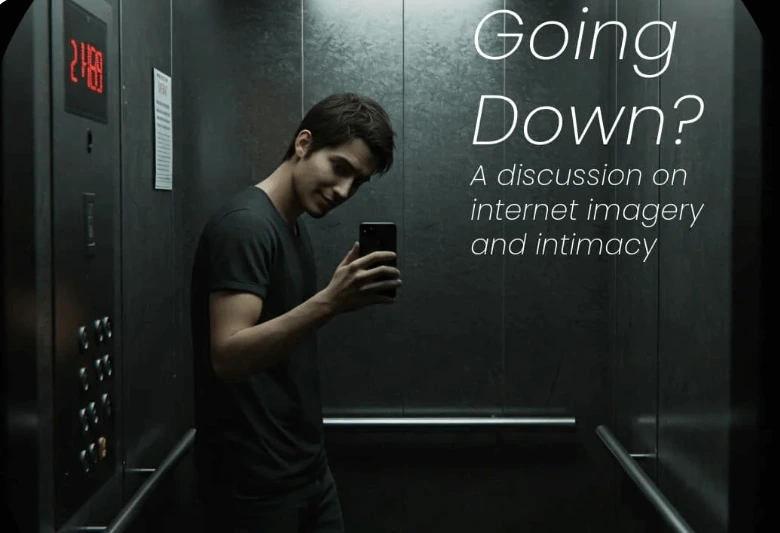
Going Down: Porn, Intimacy, and the Digital Disconnect
This interactive session dives into how internet content, from porn to AI “companions”, is changing the way we think about relationships. It helps students critically examine:
– How the media they consume affects their views on intimacy and consent
– The emotional and cognitive impact of relying on digital desire
– Strategies for building real, meaningful connections in a digital-first world
Both programs are designed to support up to 400 students and are also available in tailored versions for faculty and staff.
Help Your Campus Lead the Change with University Sexual Assault Prevention Programs
Ready to support your students with meaningful education about digital risks and healthy online behavior? Catharsis Productions is here to help. Contact us today to bring Love Bytes, Going Down, or other workshops to your campus!
- Tags:
- Catharsis Productions
- College Response Protocols for Supporting Sexual Assault Survivors
- college sexual harassment training near me
- sexual assault prevention in college
- sexual harassment and discrimination training for college students
- sexual misconduct in college
- Take it Down Act
- Technology-Facilitated Sexual Violence
- The Take It Down Act: How Catharsis Productions Is Educating Students About Digital Consent
- university sexual assault prevention programs

Catharsis Productions
Catharsis Productions' mission is to change the world by producing innovative, accessible and research-supported programming that challenges oppressive attitudes and shifts behavior.